
Covering Glasgow 2026: A Commonwealth Games Sports Photography Assignment
A major sporting event produces more than results. There is the anticipation before a race, the concentration before a lift, the reaction after a performance and the atmosphere surrounding the competition.
Photographing those moments requires preparation long before the action begins.
At the Glasgow 2026 Commonwealth Games, my assignment involved covering athletes across different sports and venues, working within designated media positions and delivering photographs while competition continued. Each day required decisions about where to be, which moments to prioritise and how to keep the coverage moving.
Four years after photographing my first Commonwealth Games in Birmingham, I returned with more experience and a clearer understanding of how to approach those decisions.
That experience also informs my work as a sports photographer in Singapore, where I cover sporting events for organisations and brands.
Planning the Coverage Before Competition Begins
One of the most important parts of a sports photography assignment happens before the first photograph is taken: understanding what needs to be covered.
At Glasgow, that meant reviewing competition schedules and start lists, identifying the athletes I needed to photograph and planning how to move between venues.
Knowing an athlete’s lane, competition order or session time helped me prepare before reaching the field of play. It also helped me judge when I needed to arrive and how much time I would have before moving to the next assignment.
After collecting my accreditation and visiting the media centre, I worked through the practical details of each day. Travel routes, venue access and session timings all influenced the coverage plan.
A schedule might look manageable on paper, but moving between venues takes time. So does entering a competition area and finding an appropriate photography position.
Planning around those details helped me avoid treating each event as an isolated appointment. The day had to work as a whole.
For a client, this preparation matters because important moments rarely wait. An athlete may compete only briefly, and missing that appearance can mean missing the photograph the assignment depends on.
Making the Most of Restricted Photography Positions
At a major Games, accreditation provides access to designated areas. It does not mean photographers can move freely around the competition.
Broadcast operations, field-of-play rules and venue arrangements all affect where I can work. Once a session begins, changing position may be difficult or impossible.
This makes arriving early particularly valuable.
Before competition, I study the available angles, lighting and backgrounds. I consider where the athlete will appear and which position gives me the strongest opportunity to photograph them.
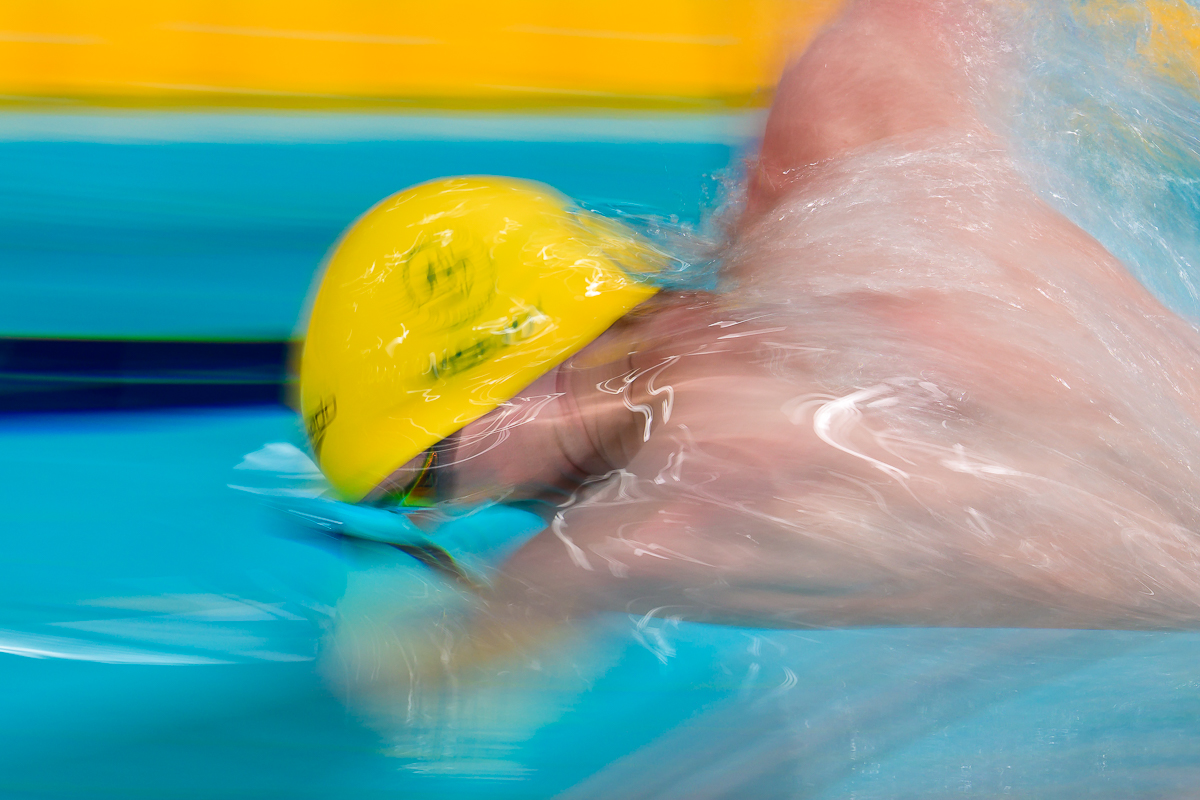
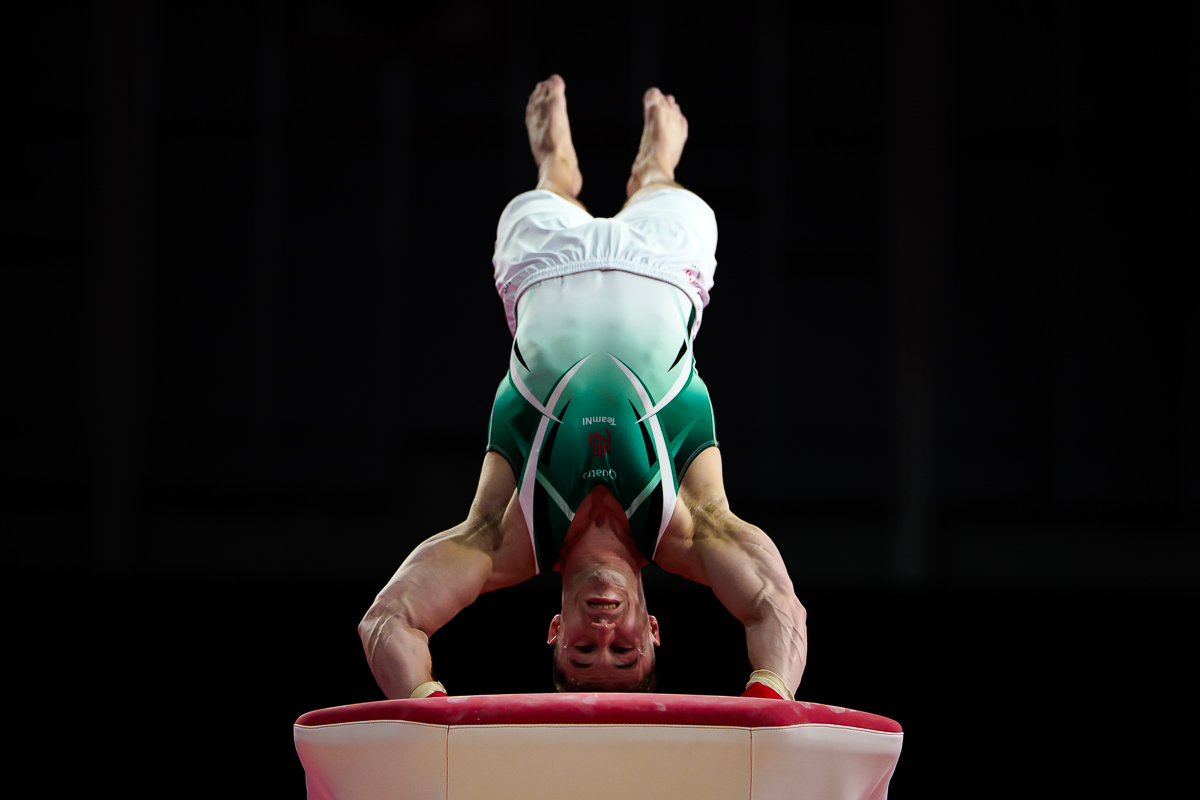
For swimming, that may mean choosing an angle around a particular lane. For gymnastics, it may mean anticipating where the athlete’s movement will create a clear composition.
The straight-on position I chose for a vault photograph at Glasgow is one example. That viewpoint shaped the image before the gymnast began the attempt.
There are always compromises. A position that offers a strong action photograph may provide fewer opportunities to capture a reaction afterward.
Experience helps me recognise those tradeoffs and make a deliberate choice. When the preferred angle is unavailable, I look for another way to create a useful photograph within the access provided.
Building a Complete Picture of the Event
Peak action is an essential part of sports coverage. A punch connecting, a gymnast suspended in the air or a closely contested race can produce a powerful photograph.
But an event’s story extends beyond those moments.
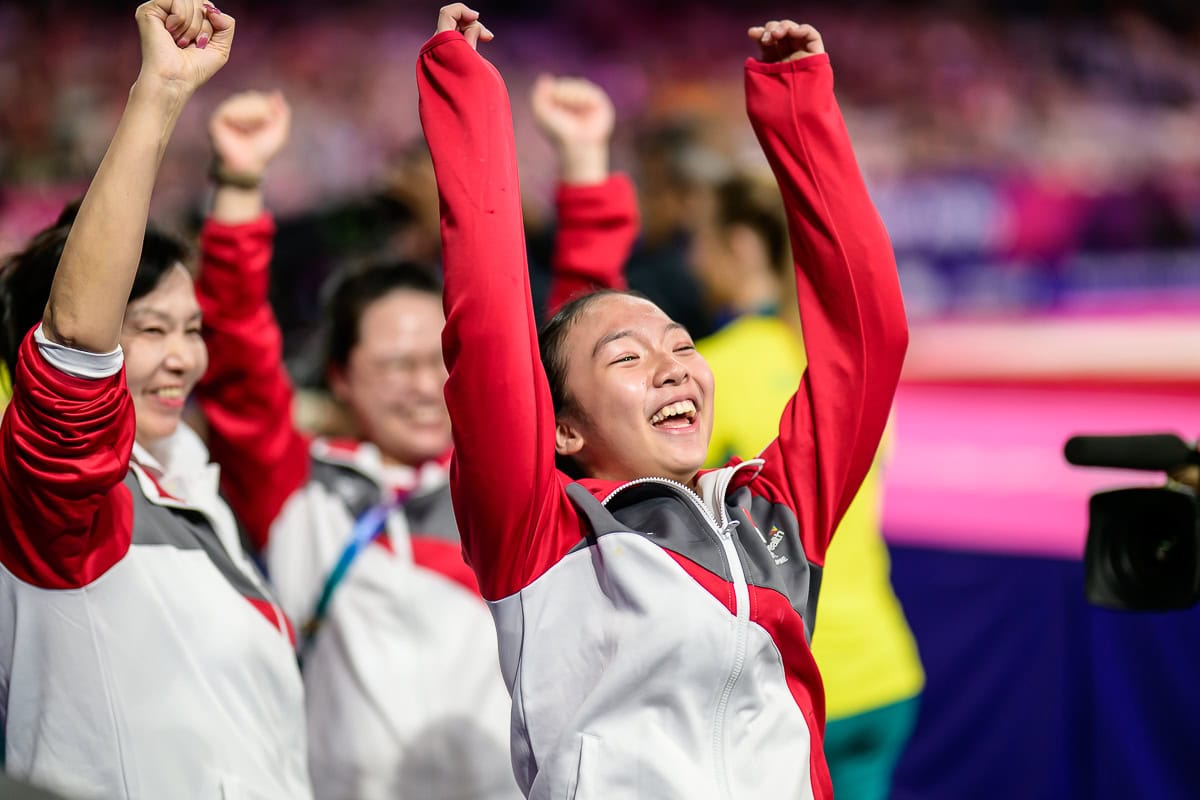
During Glasgow, I also looked for athletes preparing, watching their competitors, speaking with coaches and responding to their performances. Supporters and medal ceremonies added further context when there was an opportunity to photograph them.
Together, those images create a broader account of the competition.
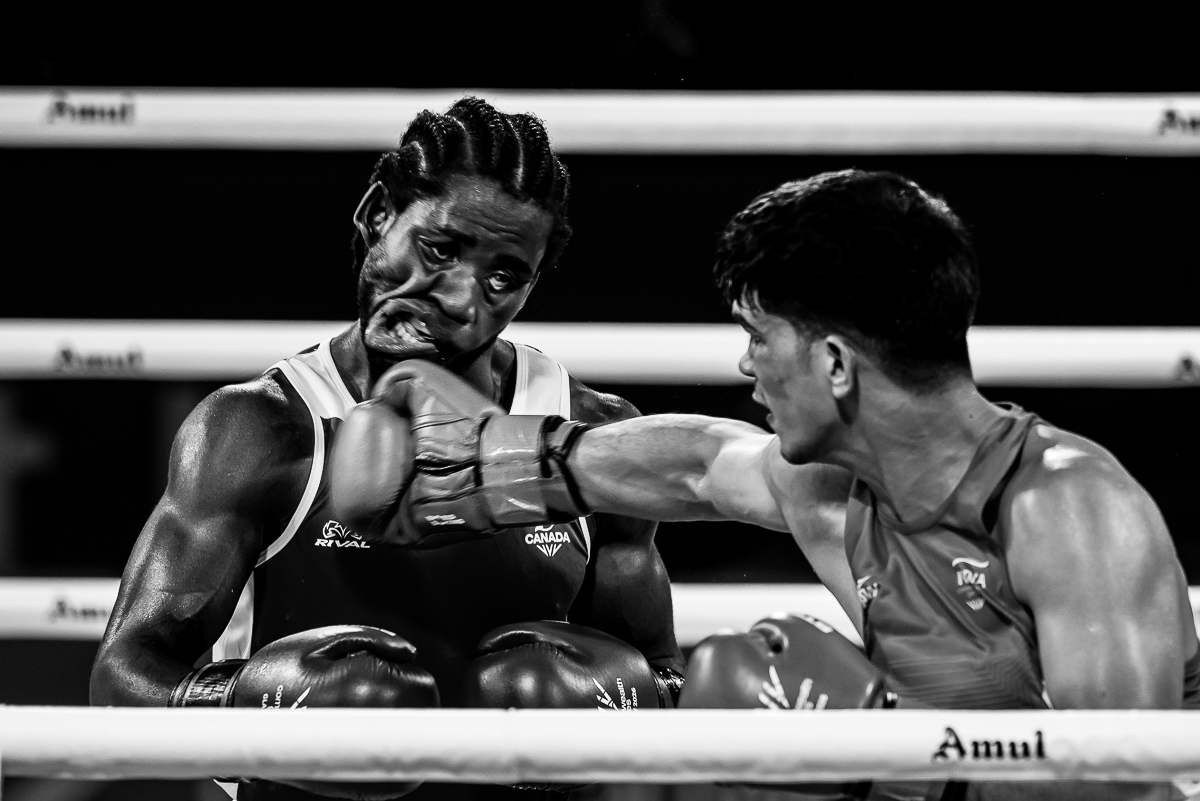
Different photographs serve different purposes. A tight action frame can communicate intensity. A wider image can establish the venue and atmosphere. A quieter photograph can reveal the concentration behind a performance.
For an organisation communicating across its website, social channels and editorial updates, that variety provides more options than a collection made entirely of similar action photographs.
The aim is to return with a coherent selection that shows what happened and how the event felt.
Recognising the Moments Between the Action
One of my favourite photographs from Glasgow came during bowls.
A Singapore athlete rested her chin against her fist while watching play, as her opponent leaned across in front of her following the bowl. Both appeared absorbed in the competition.
There was no explosive movement, but the photograph communicated concentration, calculation and strategy.
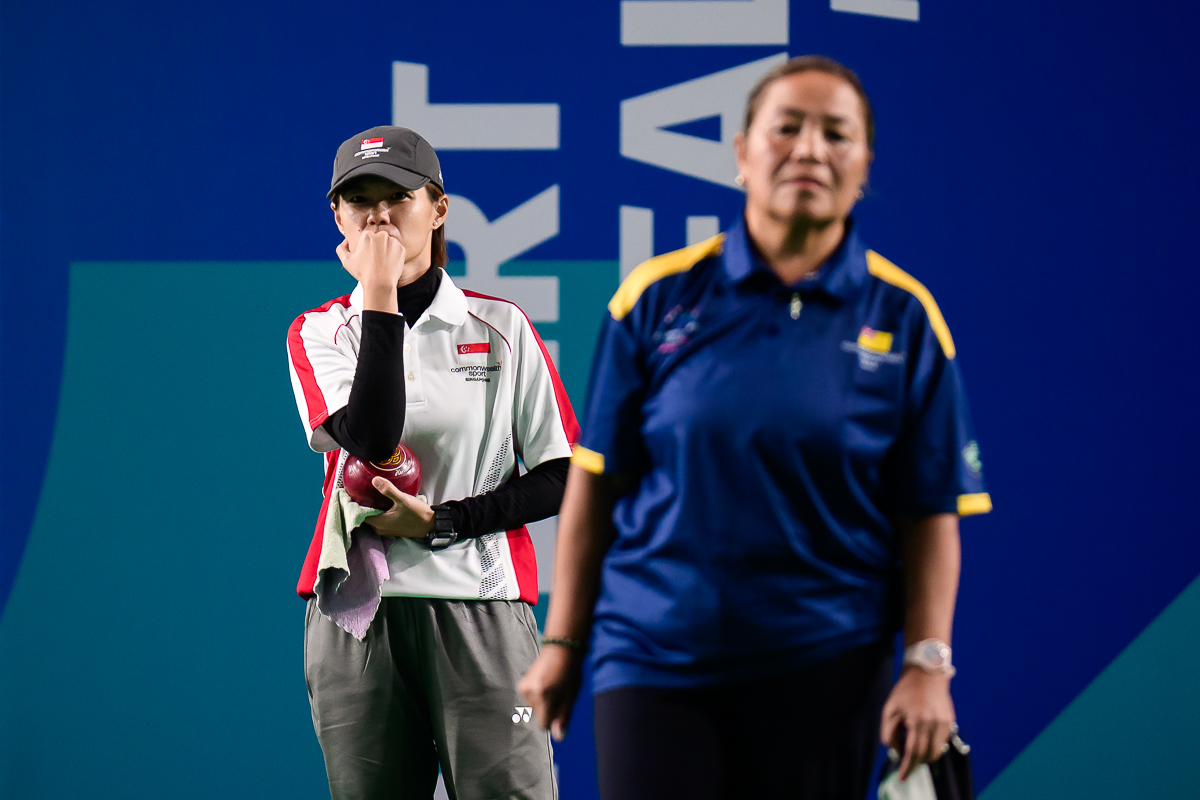
These moments require attention even when there is no obvious peak action to follow.
In weightlifting, an athlete’s expression after a lift may communicate the effort more clearly than the lift itself. In basketball, the relationship between the player, defender and ball can bring tension to a single frame.
Watching for those details helps me produce coverage that reflects the character of each sport.
It also helps avoid treating every competition in the same way. The pace, movements and emotional moments differ, and the photographs should reflect those differences.
Adapting to the Venue and Conditions
Preparation gives me a starting point, but conditions at the venue still shape the photographs.
The background may be busier than expected. A planned position may be occupied. The light may change, or the competition may unfold differently from what I anticipated.
At Glasgow, a clear sky and moving clouds offered an opportunity to frame a long jump photograph with more of the surroundings. At track cycling, a wider composition helped communicate the movement and scale of the velodrome.
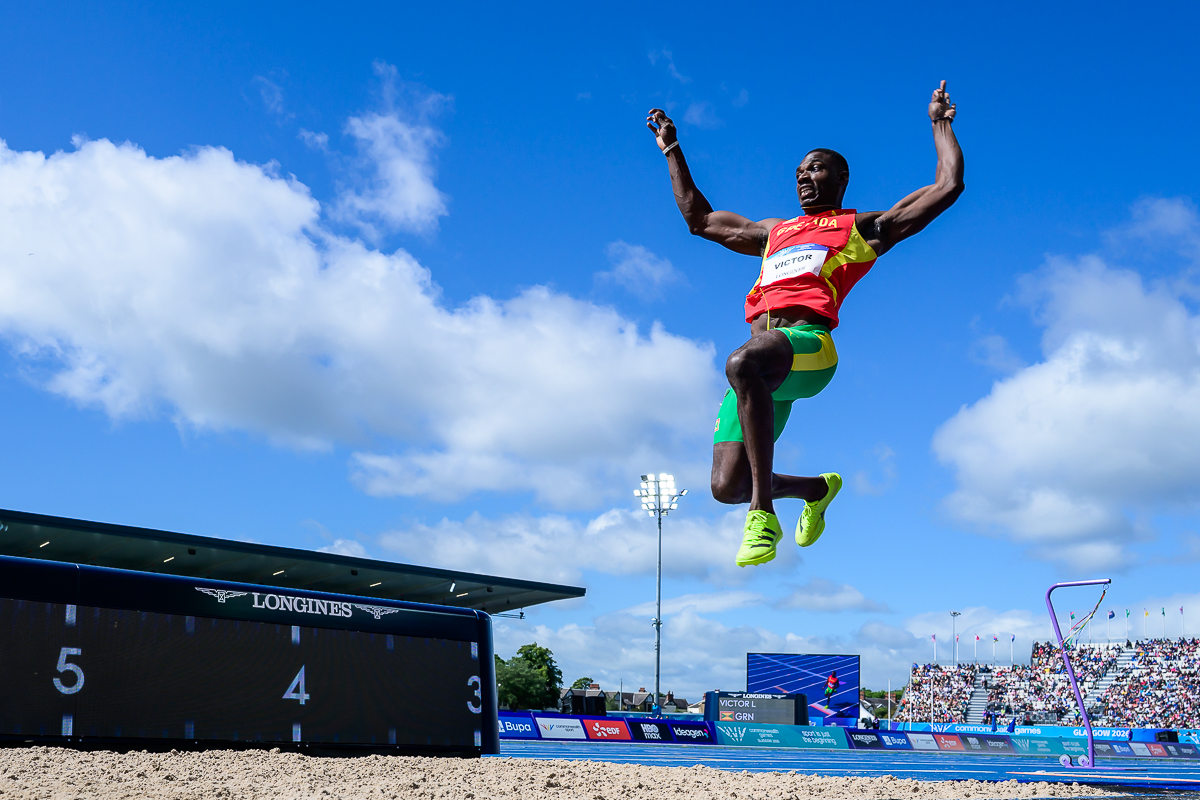
These decisions are part of adapting the coverage to what is available.
I arrive with ideas, but I also need to recognise when another approach will produce a stronger photograph. That balance between preparation and observation is something I have developed across different international assignments.
For clients, it means the coverage can respond to the event as it unfolds while remaining focused on the photographs needed.
Continuing Coverage Through Difficult Weather
The Glasgow athletics programme also brought prolonged heavy rain.
I was covering Singapore sprinter Shanti Pereira while working outdoors in cold, wet conditions. Competition continued, and the conditions became part of the assignment.
My experience at the Paris 2024 Olympics had changed how I prepared for this. I had learned that expecting rain and being ready to work through hours of it were different things.
By Glasgow, I had more complete protection for myself and my equipment. I was still cold and uncomfortable, but I could continue concentrating on the competition.
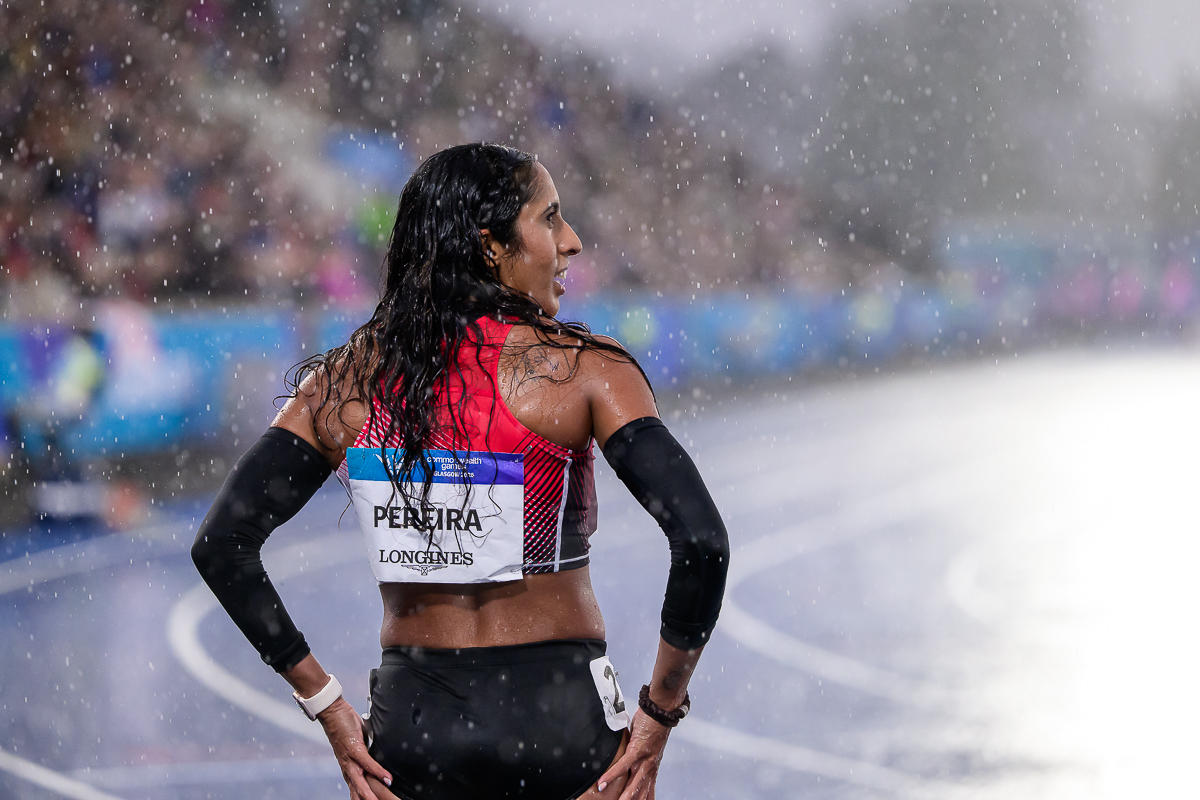
The rain also gave the photographs a distinctive atmosphere. It became a visible part of what the athlete had experienced, rather than simply an obstacle to making the image.
Weather cannot be controlled. Preparation helps me respond when it changes and continue working within the conditions and event rules.
Delivering Photographs While the Event Is Still Happening
For many sports assignments, the photographs are needed before the day is over.
An organisation may be preparing an athlete update, sharing a result or publishing coverage while its audience is following the competition. The usefulness of a photograph can depend on when it arrives.
At Glasgow, the working day often involved morning and later sessions, with travel between venues in the time available. There were occasions when I needed to move directly to the next location rather than return to the media centre.
That meant fitting image selection, adjustments, captioning and transmission around the coverage schedule.
Speed was only one consideration. Athlete names, event details and other caption information also needed to be accurate.
A strong photograph with incorrect information creates another problem for the person receiving it. Preparing usable images means giving attention to both the photograph and its identification.
My approach to delivery has developed over years of assignments. Each event reveals practical improvements that can help me move photographs from the camera to the client more efficiently.
For a new assignment, delivery priorities are worth discussing alongside the photography brief. Knowing which moments require prompt coverage helps shape the plan for the day.
Bringing International Experience to Sports Photography in Singapore
Glasgow was a large international assignment, but many of the same principles apply to sporting events in Singapore.
Understanding the schedule, identifying priority athletes, checking access and anticipating important moments all contribute to effective coverage.
So does recognising that a client may need more than photographs of the winning moment. The preparation, effort, reactions and atmosphere can be equally valuable in communicating the event.
My experience across the Commonwealth Games, Olympic Games, Asian Games and SEA Games has taught me to prepare carefully while remaining adaptable.
Each assignment brings different requirements. A sporting organisation, event organiser or brand may have different priorities, and those priorities should guide the coverage.
The photographs from Glasgow demonstrate how I approach that responsibility: plan around the assignment, pay attention throughout the competition and deliver images that help tell its story.
Planning Your Sports Photography Coverage
If you are organising a competition or commissioning sports coverage in Singapore, an early discussion can help establish the priorities.
Useful starting points include the event schedule, key athletes or teams, intended image use, access arrangements and delivery timing.
From there, we can discuss the coverage needed for your event.
Explore my sports photography portfolio or get in touch to discuss your assignment.
Glasgow was a large international assignment, but many of the same principles apply to sporting events in Singapore.
Understanding the schedule, identifying priority athletes, checking access and anticipating important moments all contribute to effective coverage.
So does recognising that a client may need more than photographs of the winning moment. The preparation, effort, reactions and atmosphere can be equally valuable in communicating the event.
My experience across the Commonwealth Games, Olympic Games, Asian Games and SEA Games has taught me to prepare carefully while remaining adaptable.
Each assignment brings different requirements. A sporting organisation, event organiser or brand may have different priorities, and those priorities should guide the coverage.
The photographs from Glasgow demonstrate how I approach that responsibility: plan around the assignment, pay attention throughout the competition and deliver images that help tell its story.